
Our Guest Speakers
-
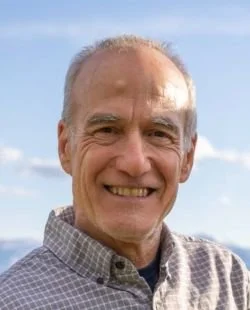
Reich is Director of the Institute for Global Change Biology and Filibert Roth Professor, University of Michigan; Distinguished McKnight and Regents Professor, University of Minnesota; and Distinguished Professor International, Hawkesbury Institute for the Environment, Western Sydney University. He conducts global change research on plants, soils, and ecosystems. His work links fundamental physiology with community dynamics and ecosystem structure and function, from the cell to the globe, to better understand impacts of multiple global environmental challenges. This includes studying the effects on ecosystems of rising CO2, climate change and biodiversity loss. He uses long-term experiments, observations, big data and models in diverse ecosystems and at a range of scales. Reich helped pioneer the development of trait-based ecology and is active in building grass-roots scientific networks. He also helped launch the science education channel, MinuteEarth (>750 million views). At present he is engaged in trying learn how we can help society manage itself and its interactions with nature to sustain people and the planet.
Keynote speaker on Friday, March 6th, 2026: Hope on a Changing Planet: Science, Democracy, Nature, and Us
Peter B Reich, University of Michigan & University of Minnesota
-
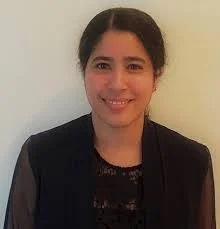
Associate Professor of Soil Ecology
Suseela is a soil ecologist interested in the biogeochemical processes that shape the ecosystem responses to global environmental changes. Her research strives to unravel the soil carbon cycling and root-rhizosphere interactions in natural and agroecosystems to enhance the resilience and sustainability of these systems.
Opening speaker on Saturday, March 7th, 2026: A journey through ecology and chemistry to unravel the mysteries of rhizosphere.
-
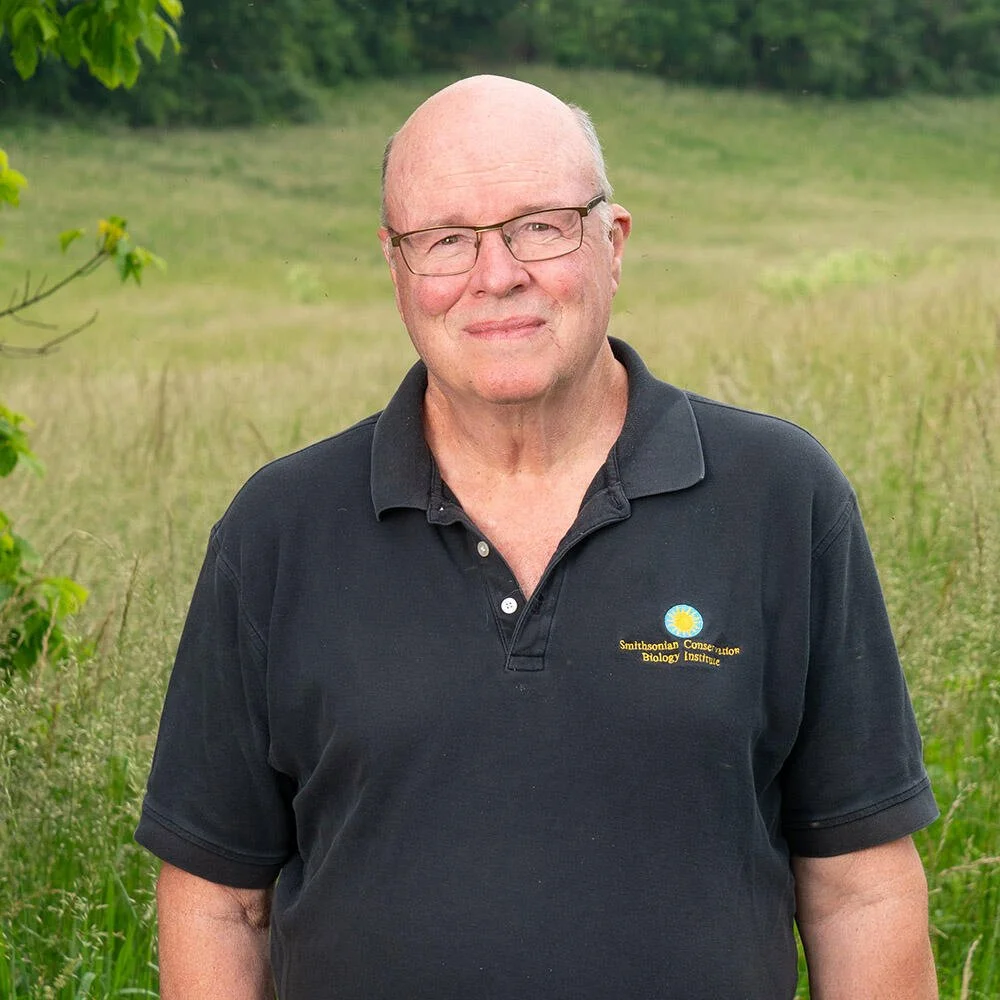
Bill McShea originally studied small mammal population ecology, but has expanded his scope of species and topics over the years. His current focus is on informing management of wildlife in forest and grassland ecosystems. A good part of his time and effort is in Asia, both supporting conservation efforts on forest mammals and mentoring young professionals to use science to reduce human-wildlife conflicts.
McShea's first focus at the Smithsonian Conservation Biology Institute (SCBI) was the role of white-tailed deer in shaping plant and wildlife populations that share eastern deciduous forests. This work expanded to look at interaction between deer and invasive plant species and disease transmission. The focus on deer lead McShea to become the co-chairman of the International Union for Conservation of Nature's (IUCN) Deer Specialist Group, which is responsible for setting Red List status for all deer species. In addition to deer, McShea works with Chinese colleagues to conserve large mammals such as giant pandas, takin and Asiatic black bears in bamboo forests of China.Closing speaker on Saturday, March 7th, 2026: A Life in Conservation: Learning how to make a difference
Click the link above to view the 2026 TTABSS Itinerary for Friday and Saturday!
Click the link above to view the 2026 TTABSS Poster Presentation Schedule and abstracts by category for Friday!
Poster Abstracts
TTABSS Complete Abstracts
Click the link above to view the 2026 TTABSS Speaker Schedule for Saturday!